192 Sloane Street, London SW1X 9QX
How Lighting and Colour Influence Wellbeing in Care Environments
The spaces we inhabit have a profound effect on how we feel, think and interact with the world around us. In care environments, where residents spend the majority of their time, the thoughtful design of lighting and colour schemes becomes particularly significant. At KYN, we believe that beautiful, carefully designed spaces are fundamental to exceptional care – which is why we collaborated with renowned British interior designer Nina Campbell to craft spaces where every detail, from colour palettes to lighting concepts, has been lovingly curated.
Below, we explore how these essential design elements can enhance wellbeing, support independence and create nurturing environments where residents can truly flourish. From the influence of natural light on sleep patterns to the calming effects of carefully chosen colours, discover why thoughtful design matters.
Why Does Lighting Matter in Care Homes?
Lighting is far more than a practical necessity - it's a powerful tool that influences our circadian rhythms, mood, cognitive function and overall sense of wellbeing. For older adults, particularly those living with dementia or other conditions, appropriate lighting becomes crucial for maintaining quality of life.
Poor lighting can lead to a range of difficulties, from increased confusion and anxiety to a higher risk of falls and accidents. Conversely, well-designed lighting schemes can promote alertness during the day, support better sleep patterns at night, and create an atmosphere of comfort and security. The right lighting helps residents navigate their environment confidently, engage in activities with ease, and maintain their independence for as long as possible.
How Can Natural Light Improve Quality of Life?
Natural daylight offers benefits that artificial lighting simply cannot replicate. Exposure to natural light helps regulate the body's internal clock, supporting healthy sleep-wake cycles that are essential for physical and mental wellbeing. This is particularly important for older adults, who may experience disrupted sleep patterns or conditions such as sundowning syndrome.
Sunlight also plays a vital role in vitamin D production, which supports bone health, immune function and mood regulation. Studies have shown that residents in care environments with abundant natural light often experience reduced symptoms of depression and anxiety. The connection to the outside world that windows and skylights provide helps combat feelings of isolation, offering views of changing seasons, weather patterns and the natural rhythm of day and night.
At thoughtfully designed care homes, large windows and glass doors allow natural light to flood communal areas and private rooms, creating bright, uplifting spaces that feel open and welcoming.
What Role Does Artificial Lighting Play?
Whilst natural light is invaluable, artificial lighting remains essential for creating a safe, comfortable environment around the clock. The key lies in designing lighting systems that complement natural light, whilst addressing the specific needs of older adults and those living with cognitive impairments.
At KYN, our collaboration with Nina Campbell ensured that lighting wasn't simply an afterthought, but an integral element considered from the very beginning of the design process. Through carefully crafted mood boards for each space, lighting concepts were developed alongside colour schemes and furnishings to create cohesive, harmonious environments.
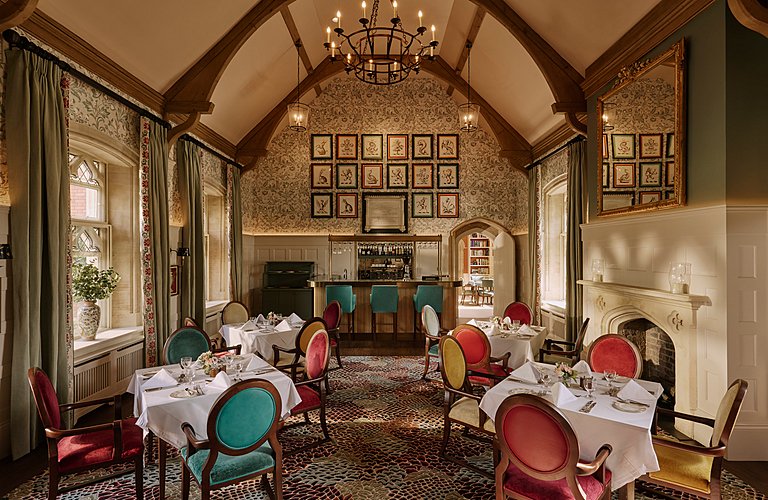
Take, for example, the Eden Room at KYN. This inviting space, adorned with rich greens and warm shades of yellow and red, features the Porta Romana Edith Wall light in Indian Red – a carefully selected piece that infuses the room with warmth and comfort whilst complementing the natural tones of the Lewis and Wood 'Adam's Eden' wallpaper collection. This attention to detail demonstrates how lighting can enhance a room's colour palette and atmosphere, creating spaces that feel both elegant and nurturing.
Layered lighting approaches work particularly well in care environments:
- Ambient lighting provides overall illumination, ensuring spaces are bright enough for safe movement and reducing shadows that might cause confusion or anxiety.
- Task lighting supports specific activities such as reading, crafting or dining, allowing residents to pursue their interests with confidence.
- Accent lighting can highlight architectural features or artwork, creating visual interest and helping with wayfinding.
For residents living with dementia, lighting requires particularly thoughtful consideration. Bright, even illumination helps reduce confusion and supports cognitive function, whilst minimising glare and stark contrasts prevents visual disturbances that might be misinterpreted. Adjustable lighting systems allow care teams to create the right atmosphere throughout the day, supporting natural circadian rhythms and promoting restful evenings.
How Do Colours Affect Mood and Behaviour?
Colour psychology reveals how different hues can influence our emotions, energy levels and even our physical responses. Warm colours such as soft yellows, peaches and gentle terracottas can create feelings of warmth, comfort and security - exactly the atmosphere one hopes to cultivate in a caring environment.
Cool colours, including soft blues, greens and lavenders, tend to have a calming, soothing effect. They can help reduce agitation and anxiety, creating peaceful environments that support relaxation and rest. These tones work beautifully in private rooms and quiet areas where residents may retreat for moments of tranquillity.
However, colour choices in care environments must go beyond simple psychology. For older adults, particularly those with visual impairments or dementia, colour contrast plays a crucial role in helping them navigate their surroundings safely. Strong contrasts between floors, walls and furniture help residents identify boundaries and distinguish between different surfaces, reducing confusion and the risk of falls.
Experience Thoughtfully Designed Spaces at KYN
At KYN, we understand that exceptional care extends far beyond medical support - it encompasses every aspect of the environment we create for our residents. Through our collaboration with Nina Campbell, every corner of our homes bears meticulous attention to detail.
From the striking choice of vibrant fabrics to the artful selection of lighting that illuminates our spaces with warmth, every element has been carefully considered to support wellbeing, independence and joy in daily life. Our homes feature thoughtfully designed lighting schemes and elegant colour palettes that work together, creating environments where comfort meets sophistication.
To discover how our approach to design supports outstanding care, enquire today. For our mothers, for our fathers, for our KYN.

