192 Sloane Street, London SW1X 9QX
How Nature Therapy Supports Ageing Well
The natural world has a remarkable ability to restore, rejuvenate and reconnect us with ourselves. For those in their later years, contact with nature can improve wellbeing, help us feel less stressed, and stimulate our senses through experiences like listening to birdsong, watching wildlife or feeling leaves.
Below, we explore what nature therapy is, how it supports healthy ageing, and the ways in which thoughtfully designed outdoor spaces can enrich daily life.
What Is Nature Therapy?
Nature therapy, sometimes called ecotherapy or green care, encompasses a range of activities that harness the healing power of the natural environment. It's not simply about being outdoors - it's about engaging meaningfully with nature in ways that promote physical, emotional and cognitive wellbeing. This might involve tending to plants in a garden, walking along forest paths, or simply sitting quietly in a green space and observing the changing seasons.
Studies consistently show that spending time in garden environments can reduce blood pressure, lower stress hormones, improve mood, and even enhance cognitive function.
Why Is Nature Therapy Particularly Beneficial for Older Adults?
For older adults, including those living with dementia, these benefits can be particularly significant . As we grow older, we often spend more time in our homes and communities, so our immediate environment has a significant impact on our health, wellbeing and the quality of our lives. Access to green spaces and gardens becomes more than a pleasant amenity - it becomes essential to maintaining independence, connection and joy.
For those experiencing cognitive changes, nature offers a way to engage with the world that doesn't rely solely on memory or language. The sensory richness of a garden creates opportunities for meaningful experiences that transcend the difficulties of cognitive changes.
How Does Spending Time in Nature Support Physical Health?
There are also many physical benefits of nature therapy:
- Gentle outdoor activities encourage movement and exercise, which are fundamental to maintaining strength, balance and mobility. Whether it's a stroll through a garden, tending to potted plants, or simply reaching out to touch interesting foliage, these activities keep the body engaged in natural, beneficial ways.
- Physical activity builds a buffer to allow you to maintain function as you age, ensuring that everyday tasks like shopping, dressing, and cooking stay manageable. The beauty of nature-based activities is that they rarely feel like formal exercise - they're simply enjoyable experiences that happen to support physical health.
- Fresh air and natural light also play vital roles in wellbeing. Exposure to daylight helps regulate sleep patterns, supports vitamin D production, and can improve mood and energy levels.
For older adults who may spend considerable time indoors, regular access to outdoor spaces becomes particularly valuable.
What Are the Emotional and Mental Health Benefits?
Outdoor space can offer a huge sense of calm and wellbeing, with the National Institute of Health reporting that a connection with nature is even more important in the later stages of dementia. There's something inherently soothing about natural environments - the gentle rhythms of the seasons, the unhurried growth of plants, the peaceful coexistence of different elements.
For individuals experiencing anxiety, loneliness or low mood, nature provides a welcome respite. The idea that being in nature can calm you and make you feel more positive has particular resonance for those living with dementia who may feel anxious. Gardens and green spaces offer opportunities for quiet reflection, for observing the simple beauty of a flower opening or watching birds visit a feeder. These moments of connection can be deeply restorative.
Moreover, engaging with nature can provide a sense of purpose and achievement. The act of growing and tending to something can provide a calming, meaningful day-to-day task, whether that's watering plants, deadheading flowers, or harvesting herbs for the kitchen.
Can Nature Therapy Be Incorporated Into Daily Life?
The wonderful thing about nature therapy is its accessibility. It doesn't matter if you've got a small patio or just a window box - the act of growing and tending to something can provide a calming, meaningful day-to-day task . Even the smallest connections with nature can yield benefits. Tending to houseplants, watching birds from a window, or spending time in a communal garden all offer opportunities for therapeutic engagement with the natural world.
At care homes with dedicated outdoor spaces, residents can enjoy nature therapy as part of their daily routine. This might involve morning walks through the garden, participating in gentle gardening activities, or simply taking afternoon tea surrounded by plants and fresh air.
Experience Nature Therapy at KYN
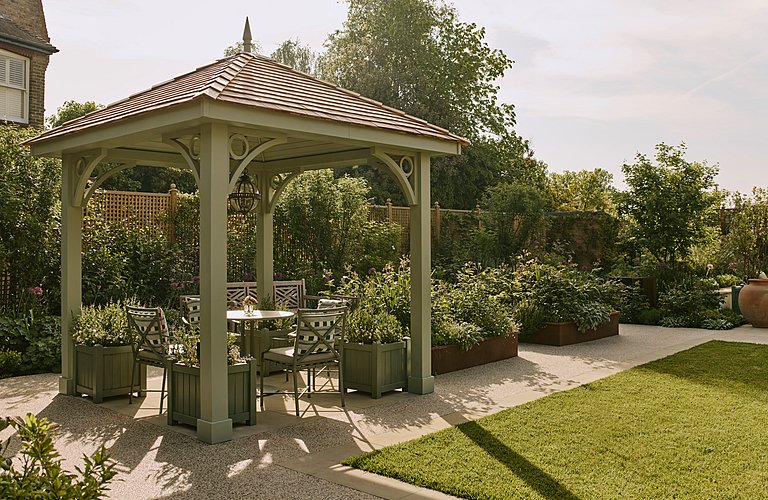
At KYN, we recognise the importance of connection with nature for health and well-being in later life. Our beautifully designed homes feature thoughtfully planned gardens and outdoor spaces that invite residents to engage with nature throughout the seasons. From sensory gardens specifically created for those living with dementia to peaceful outdoor seating areas where residents and their families can spend quality time together, we've woven nature into the fabric of daily life.
Our care philosophy embraces the therapeutic power of the natural world, understanding that true wellbeing encompasses physical and emotional health. Whether it's enjoying the walled garden at KYN Hurlingham, participating in gentle outdoor activities, or simply sitting amongst the flowers with a cup of tea, our residents have countless opportunities to experience the restorative benefits of nature.
If you'd like to learn more about how KYN supports ageing well through our holistic approach to care, we'd be delighted to welcome you for a visit. Enquire with KYN today to request a brochure or arrange a tour of our homes.

