192 Sloane Street, London SW1X 9QX
How to Choose a Care Home for Dementia
Choosing a care home for someone living with dementia is one of the most deeply personal decisions a family can face. It is natural to feel uncertain, and it is equally natural to want everything to be just right.
Below, we walk you through the key things you’ll need to consider, from understanding the types of care available to knowing what to look for during a visit, so you can feel confident that the home you choose will truly honour the person you love.
When Might You Consider a Care Home?
There is rarely a single moment when the need for a care home becomes clear. More often, it is a gradual recognition that the level of support required has grown beyond what can be safely provided at home. You may find yourself considering a care home if:
- Sleep disturbances or nighttime wandering have become frequent. These can place significant strain on both the person living with dementia and those caring for them, and they often signal a need for round-the-clock support.
- Personal care is becoming increasingly difficult to manage. Tasks such as washing, dressing and continence care may require more specialist help than family members can comfortably provide.
- Safety concerns are growing. The person may be leaving the home unaccompanied, forgetting to eat, or struggling to recognise familiar surroundings, all of which can pose real risks.
- The health of the family caregiver is being affected. Caring for someone full-time is physically and emotionally demanding. Prioritising your own wellbeing is not a sign of failure; it is an act of love.
Where possible, involve the person with dementia in these conversations early, while they are still able to share their wishes and preferences. Planning ahead, including setting up a Lasting Power of Attorney and discussing advance care plans, can bring peace of mind to the whole family.
What Types of Care Home Are Available?
Understanding the different types of care home will help you identify the right level of support.
Residential Care Homes
Residential care homes provide accommodation alongside personal care, including help with washing, dressing, medication and daily activities. Many residential homes have dedicated dementia units staffed by specially trained teams.
Nursing Homes
Nursing homes offer everything a residential care home provides, with the addition of qualified nursing staff on site at all times. This is often the right choice for individuals with more complex health needs or those in the later stages of dementia.
Some homes offer both residential and nursing care within the same setting, which can provide reassuring continuity as a person's needs change over time.
What Makes a Good Dementia Care Home?
All care homes in the UK are inspected and rated by independent regulators, such as the Care Quality Commission (CQC) in England. Reviewing inspection reports is a valuable first step, but the true character of a home reveals itself when you visit in person.
Look for a place that feels warm and welcoming. Pay attention to how staff interact with residents. Do they address them by name? Do they engage with kindness and patience? A good dementia care home will prioritise person-centred care, tailoring support to each individual's history, personality and preferences rather than applying a one-size-fits-all approach.
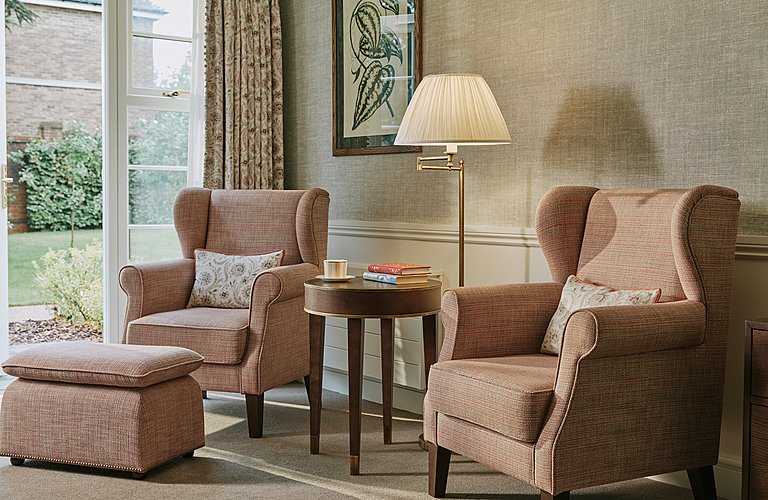
Other qualities worth looking for include dedicated dementia training for all staff, secure access to outdoor spaces, a varied programme of meaningful activities, and an environment designed with dementia-friendly principles in mind, such as clear signage, good lighting and calming colour schemes.
What Questions Should You Ask When Visiting?
Preparing a list of questions before your visit can help you feel more in control during what can be an emotional experience. Consider asking:
- What specific dementia training do staff receive, and how often is it updated? Ongoing training reflects a commitment to best practice.
- How are care plans developed, and how often are they reviewed? The best homes create bespoke care plans and adapt them as needs evolve.
- What activities are available, and are they tailored to individual interests? Meaningful engagement is vital for cognitive stimulation and emotional wellbeing.
- What are the staffing ratios, and what is the staff turnover rate? Consistency of care matters enormously, particularly for someone living with dementia.
- Can residents bring personal belongings to make their room feel like home? Familiar items such as photographs, favourite cushions or a cherished piece of furniture can ease the transition considerably.
- What are the visiting arrangements? Flexible visiting times make it easier for families to remain closely involved.
- Is there the option of a trial or respite stay? Spending a few days in the home before committing is a wonderful way to see whether it feels right.
Trust your instincts during a visit. Notice the atmosphere, the smells, the sounds. Speak with other residents and their families if you can. A care home should feel like a place where life is being lived well.
How Can You Help Your Loved One Settle In?
The transition into a care home is significant, and your involvement during the early days can make a real difference:
- Share as much as you can about the person with the care team, from how they take their tea to their favourite music or the things that bring them comfort when they feel unsettled.
- Creating a life story document can be a beautiful way to help staff understand who your loved one is beyond their diagnosis.
- Visit regularly, get to know the staff by name, and look for ways to be part of the home's community. Most importantly, focus on spending quality time together doing the things you both enjoy.
It is also worth acknowledging your own emotions during this period. Feelings of guilt, grief and relief can exist side by side, and all of them are entirely valid.
How KYN Supports Those Living with Dementia
At KYN, choosing a care home does not have to mean compromising on quality of life. Our approach to dementia care is deeply personal, beginning with a thorough understanding of each resident's background, interests and individual needs before creating a bespoke care plan supported by a dedicated team.
Our specially trained care teams work within beautifully designed, dementia-friendly environments where every detail has been considered with care. From award-winning dining crafted by chef Tristan Welch to a thoughtful Life Enrichment and Wellbeing programme, every element of life at KYN is designed to stimulate the mind, nourish the spirit and maintain independence wherever possible.
We warmly welcome families to visit our homes, meet our teams and experience KYN's hospitality firsthand. To arrange a private tour or request a brochure, please enquire today.
For our mothers, for our fathers, for our KYN.
